

Water Quality Surveys
Our citizen scientists have been collecting important water quality data to help us understand where improvements for local rivers could be made.
Explore

Water Quality Sondes
We have six water quality sondes carrying numerous sensors in locations throughout the River Chess. These record data for temperature,...
Chess Citizen Science Project
In the first year of the Chess Smarter Water Catchment project, we created a baseline assessment of water quality in the Chess catchment.
We knew this would help us identify what major issues the River Chess faced and could then decide how to try and tackle them using citizen science to fill in any knowledge gaps.
As a result of the baseline assessment, we had a number of questions relating to water quality of the River Chess:
Summer temperatures
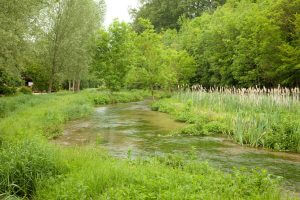
What water temperatures is the River Chess reaching during summer heatwaves, and are these temperatures likely to be stressful for key species?
Storm tank overflows
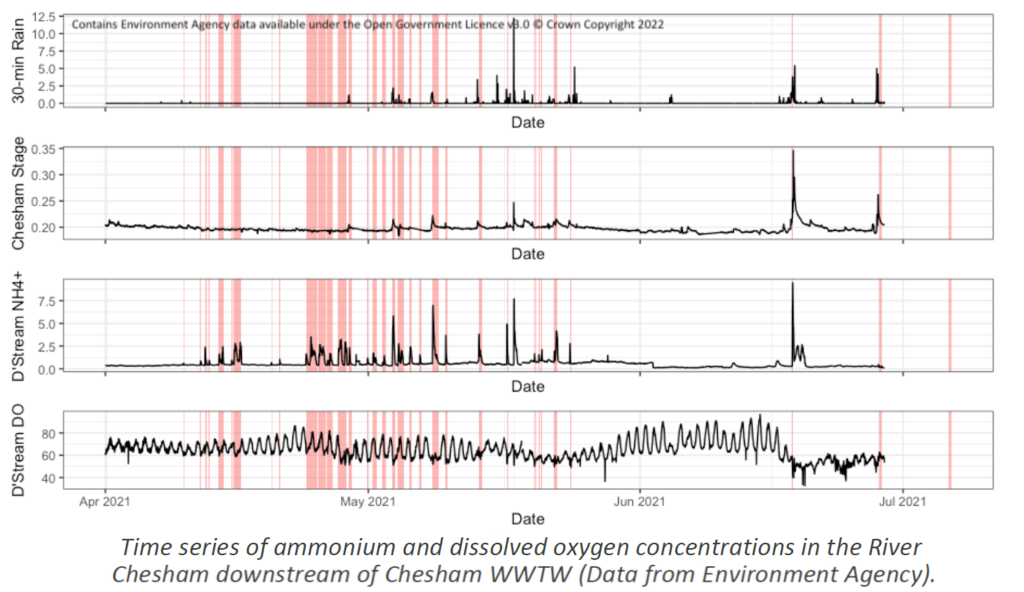 How do storm overflow events from Chesham sewage treatment work impact overall water quality of the River Chess?
Sewer misconnections
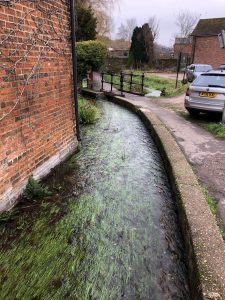
How are ammonium, turbidity and dissolved oxygen levels impacted by sewer misconnections in urban environments (Chesham, Rickmansworth)?
Nutrient levels

What is causing an increase in phosphate and nitrate levels in the mid-reaches of the River Chess between Sarratt and Solesbridge Lane?
Siltation
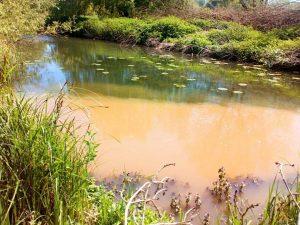
Where are the worst problem areas for siltation of sediment in the River Chess, and where is the sediment coming from?
Water quality citizen science methods
We therefore developed and integrated a range of citizen science monitoring methods, to build up an evidence base of water quality issues. These methodologies have subsequently been rolled out on other rivers in the Chilterns.
The Chess Smarter Water Catchment project has been and is continuing to collect a range of data from its various water quality surveys, none of which we could do without the help of our citizen science volunteers.