
Ewelme Brook: Citizen science spotlight
It has been a busy Spring on the Ewelme Brook! We have been working with local groups, Friends of the Watercress Beds and Benson Area Nature Group, to investigate sediment and nutrient pollution and pathways.
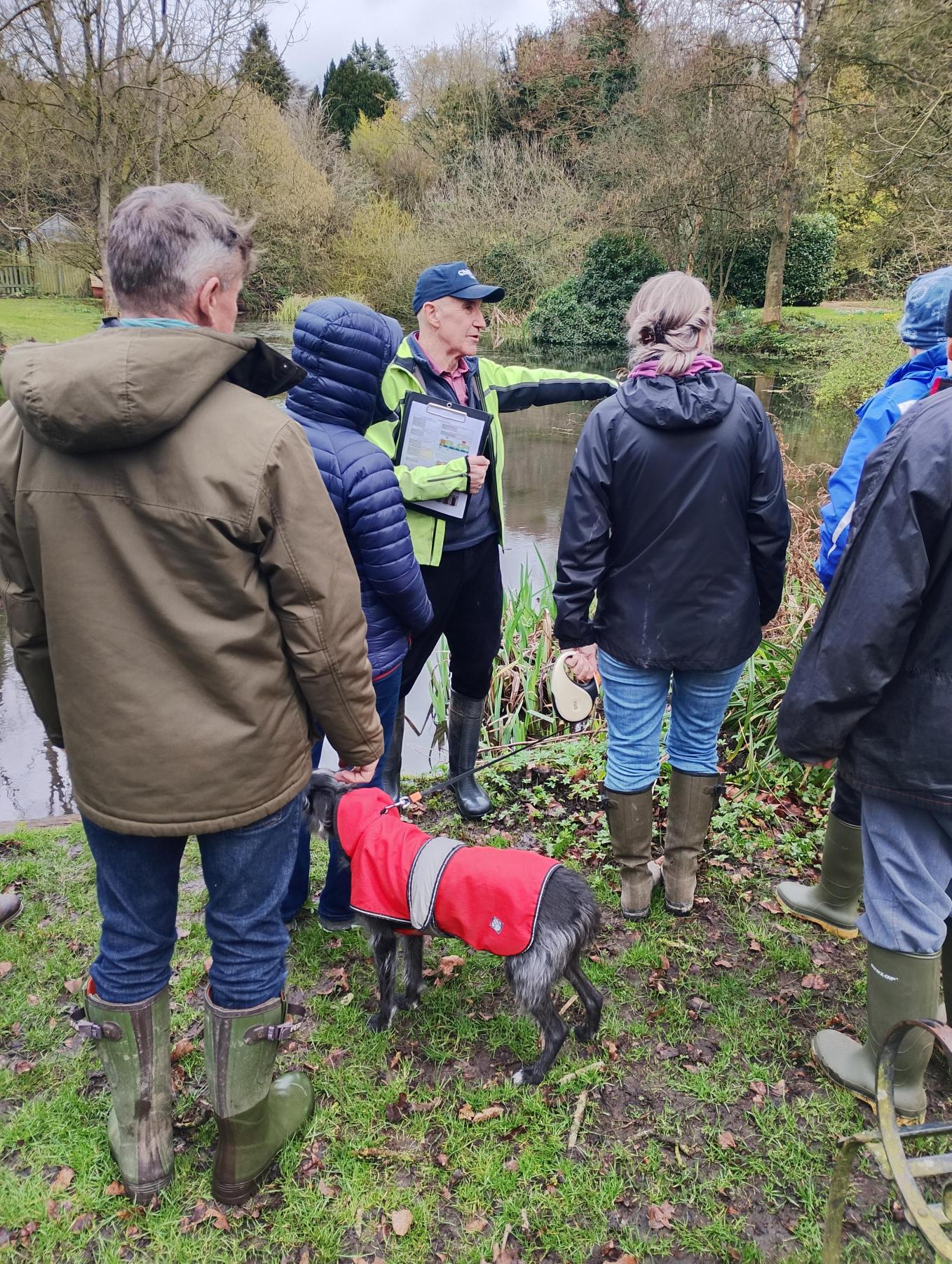
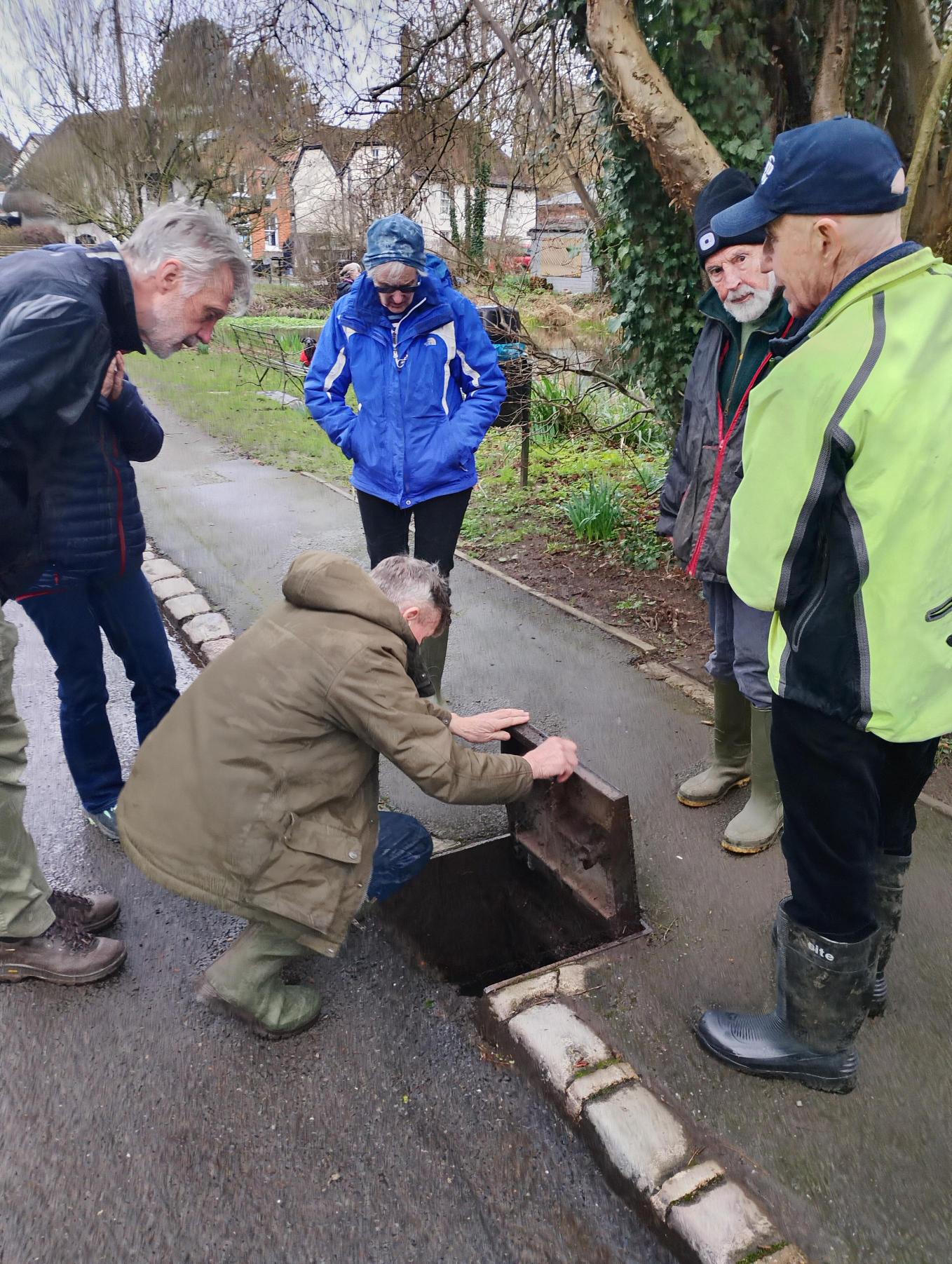
In February, Andrew, previously trained as a MudSpotter trainer with CCSP, delivered a Mudspotter training session. MudSpotter involves going out in the pouring rain to record sediment inputs in to the river – so thank you to everyone who came along and has been dedicated enough to begin these soggy surveys! We look forward to seeing the data that comes in, and using it to address identified problems.
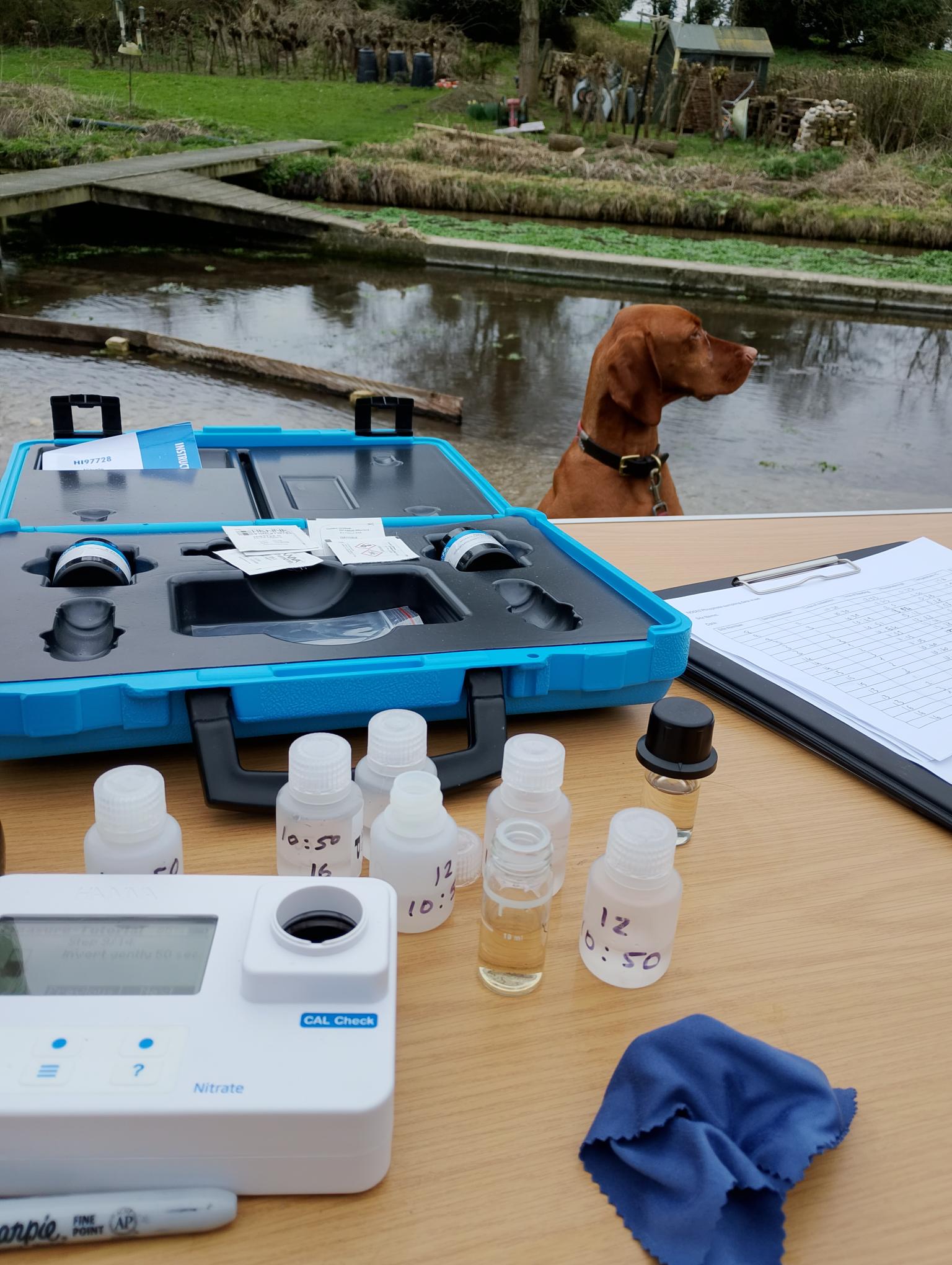
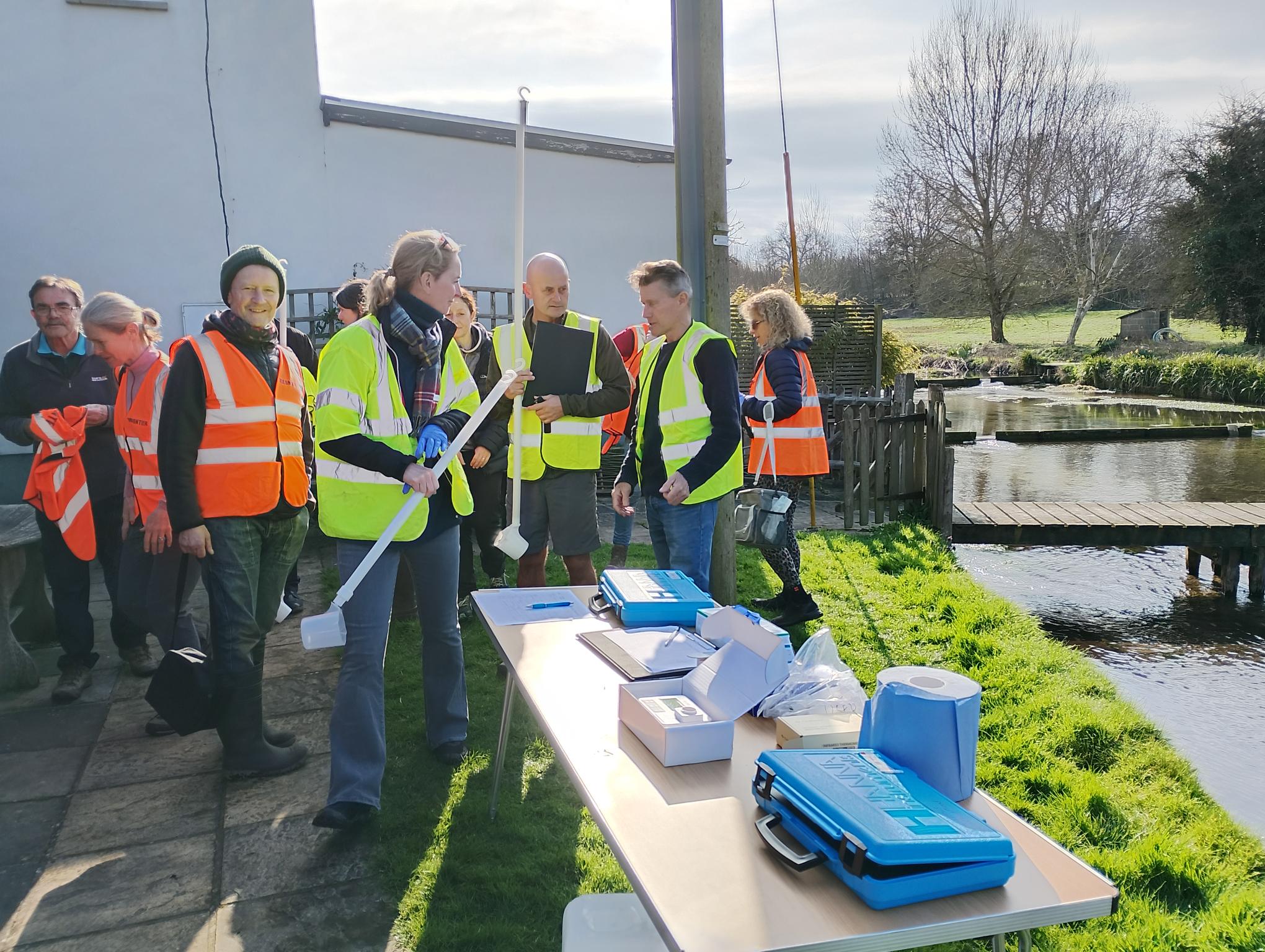
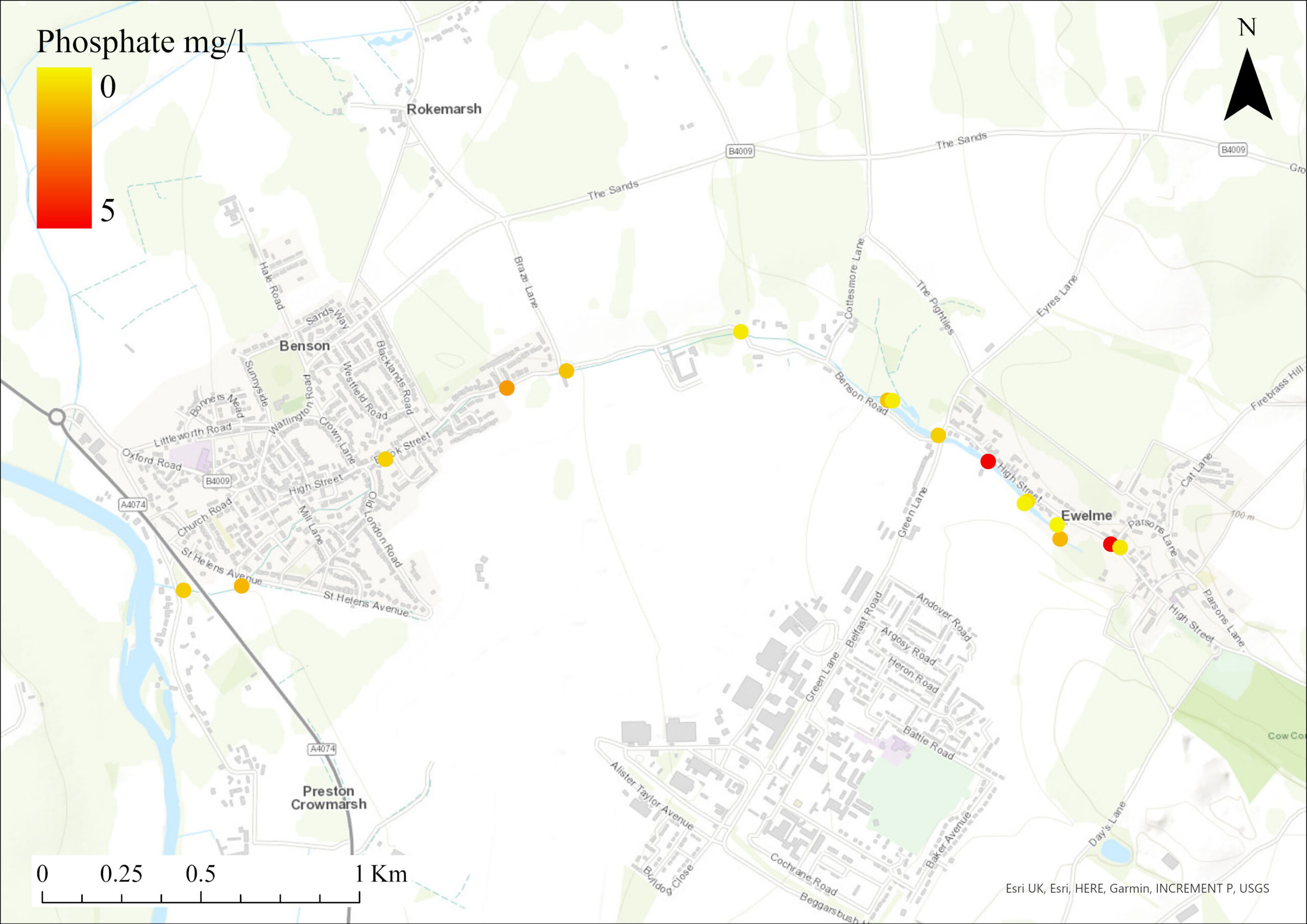
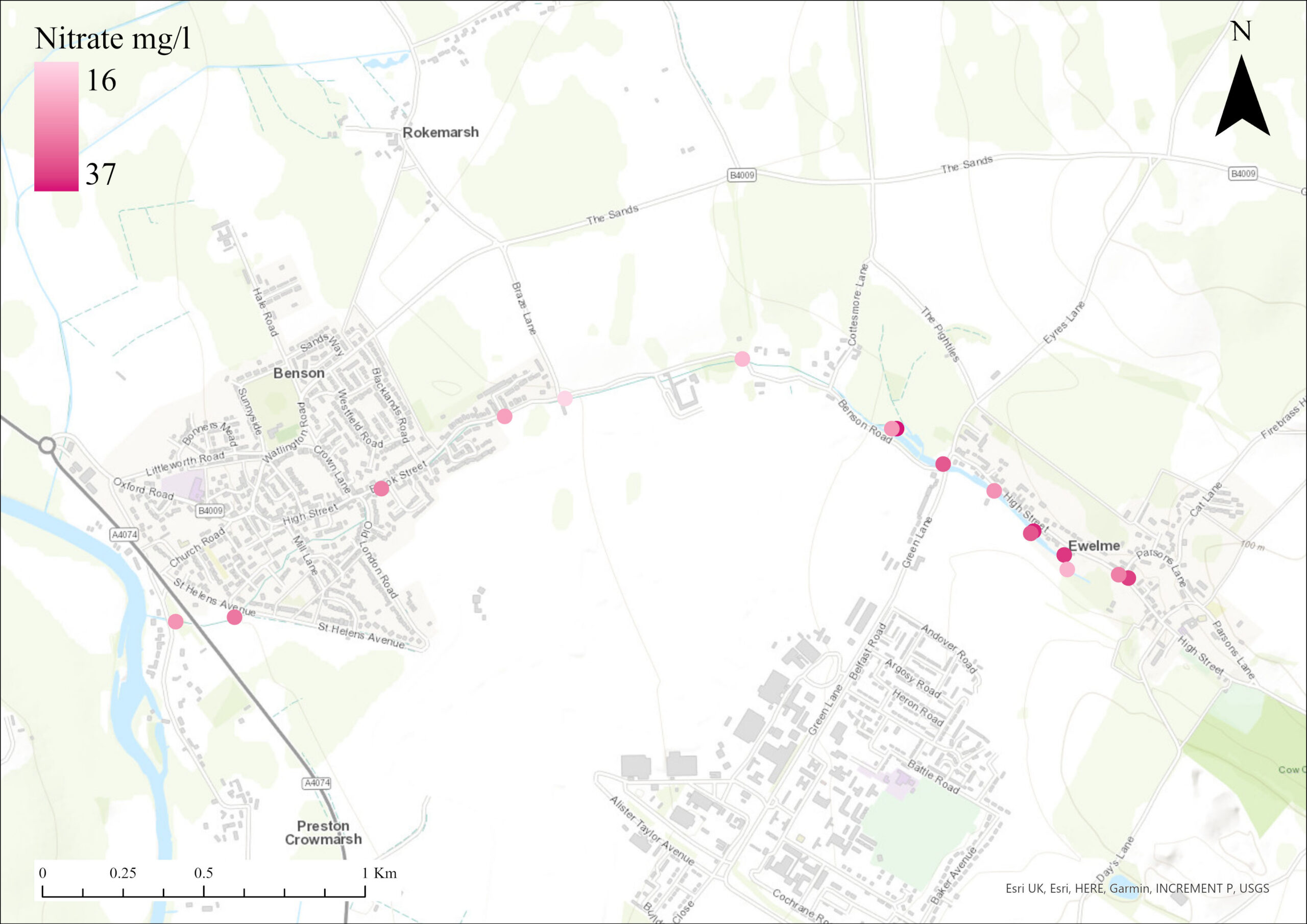
In March we ran a ‘NOSES’ (Nutrient Ongoing Scrutiny Evaluation Survey) day to investigate Nitrate and Phosphate levels in the river, responding to local concerns about algal blooms and high nutrient levels. In collaboration with volunteers, we designed a network of sample sites building from previous FreshWater Watch sampling sites and adding in locations at key potential pollution pathways e.g. tributataries, pipes, road crossings.
It was a lovely day with volunteers heading out to collect water samples from along the river, returning them to our scenic outdoor ‘laboratory’ by the watercress beds where we ran tests on Hanna Nitrate and Phosphate photometers.
The results, seen in the maps below, have revealed high nutrient concentrations along the length of the river with some locations having especially high peaks. We are now doing further investigations to detect these point sources, and will be working with local interest groups to discuss ways to mitigate diffuse nutrient inputs.
Excessively high nutrient loads damage river health by disbalancing the ecosystem, and can cause a process called ‘eutrophication’ with rapid algal and plant growth and resulting decomposition of organic matter absorbing oxygen. This causes deoxygenation and shading of the river, harming fish and other aquatic life. Artificial sources of nutrients can include agricultural runoff, sewage, landfill and domestic uses. We can all make a difference to reducing nutrient levels in local rivers, such as by swapping domestic products with high phosphate concentrations or reducing sediment run off with marginal vegetation or hedgerows.